

In today’s fast-moving and highly competitive market, brands are constantly looking for marketing tools that are both cost-effective and capable of delivering long-term visibility. One standout solution is the printed tote bag, a practical, reusable, and highly visible promotional item that effortlessly turns everyday customers into mobile brand ambassadors. With the right design approach, tote bags can boost brand recognition, improve recall, and elevate your overall brand perception.
Studies from the Advertising Specialty Institute (ASI) show that promotional bags can generate thousands of impressions over their lifespan, making them one of the most impactful forms of branded merchandise. But not all tote bags are created equal. To truly maximise results, businesses must focus on smart design, high-quality materials, and strong brand alignment.
Here are four key elements to consider when creating the ideal printed tote bag for maximum brand exposure and how each one can strengthen your overall marketing strategy.
Choose the Right Material for Long-Term Exposure
Choosing the right material is key to durability, repeated use, and long-term brand visibility.
Totes made from canvas, cotton, or jute withstand everyday wear, encouraging regular use and keeping your brand in public view. Durable bags turn every user into a walking advertisement, maximising impressions over time.
Sustainability also matters, 66% of consumers are willing to pay more for eco-friendly products, according to a Nielsen survey. Using sustainable materials like organic cotton aligns your brand with eco-conscious values while reinforcing a socially responsible image.
For example, an eco-friendly clothing brand could offer minimalist organic cotton totes, gaining ongoing exposure whenever customers carry them to stores, gyms, or outings.
When selecting materials, consider durability, lifestyle fit, and brand positioning, premium or sustainable choices signal quality and responsibility.
Prioritise Clean and Strategic Logo Placement
Strategic logo placement boosts visibility, readability, and brand recall.
A tote bag can lose impact if the logo is too small, cluttered, or poorly positioned. For maximum exposure, the logo should be clear, recognisable from a distance, and placed to naturally draw attention.
Visual consistency, using the same colours, fonts, and spacing can increase brand recognition by up to 80%. Focus on a bold central logo with a clean background, adding a tagline beneath if needed. Simple designs often outperform complex artwork for visibility.
Consider real-world use: ensure the logo remains visible when the bag is folded or carried, and that contrast makes it stand out. These details make a big difference in brand impact.
Use Colours That Reflect Your Brand Identity
Strategic colour choices boost emotional connection and instantly enhance brand recognition.
Colour psychology is a powerful branding tool, Research on consumer perception show consumers form subconscious opinions about products within 90 seconds, with up to 90% of that judgment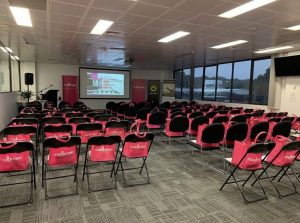 based on colour alone.
When designing a printed tote bag, align your colour palette with your brand identity. Bold, energetic brands may benefit from vibrant hues, while luxury or corporate brands often make a stronger impression with neutral or monochrome tones.
For example, Max Brown Real Estae Group used their signature brand colour consistently applied across every tote bag, creating a strong and cohesive visual identity throughout the venue.
Also, think about real-world visibility: will your bag stand out in a busy trade show or contrast well with everyday clothing? High-contrast designs are more memorable and improve brand recall.
By choosing colours that reflect your brand, your tote bag communicates your message even before your logo is read.
Incorporate Functionality That Encourages Daily Use
A well-designed, functional tote bag doesn’t just carry items, it carries your brand, repeatedly. The more practical your tote, the more it gets used, multiplying organic brand exposure over time.
Elements like reinforced handles, spacious compartments, zipper closures, or inner pockets dramatically enhance usability. When a bag fits seamlessly into daily routines, it becomes more than a promotional item, it becomes a go-to accessory.
Industry insights reveal that promotional bags are kept for an average of 11 months or longer. That’s nearly a full year of repeated brand impressions from just one thoughtfully designed tote. But longevity hinges on functionality; if the bag isn’t practical, it risks being set aside.
For instance, a corporate event organiser could offer a tote with padded sections for laptops and documents. Such design choices encourage attendees to reuse the bag for work, turning it into a consistent vehicle for brand visibility rather than disposable swag.
Understanding your audience is key. Are they students, professionals, travellers, or fitness enthusiasts? Tailoring tote bag features to match daily lifestyles increases the likelihood of repeated use and consistent exposure for your brand.
A tote that solves real problems transcends ordinary promotional merchandise, it becomes a part of everyday life.
Creating a printed tote bag for maximum brand impact goes beyond slapping a logo on fabric. Success requires strategic choices in material quality, colour psychology, visual appeal, and functional design. When these elements align, your tote becomes a marketing powerhouse, delivering continuous impressions long after an event or campaign concludes.
In a world where digital ads disappear with a scroll, physical branding tools like printed tote bags offer something unique: tangible, reusable, and highly visible exposure. By investing in intentional design, businesses can transform a simple bag into a long-term brand ambassador, boosting awareness, engagement, and marketing ROI in a cost-effective way.
FAQs
Why are printed tote bags effective marketing tools?
→ They provide long-term brand exposure because they are reusable and generate repeated public impressions.
What material is best for a promotional tote bag?
→ Durable materials like canvas, cotton, or jute encourage frequent use and align with sustainability values.
How important is logo placement on tote bags?
→ Very important. Clear, strategic placement improves visibility, readability, and brand recall.
Do colours affect tote bag branding?
→ Yes. Brand-aligned colours strengthen emotional connection and increase instant recognition.
How does functionality impact brand visibility?
→ Practical features encourage daily use, which multiplies brand exposure over time.